How to Prepare for བོད་ཀྱི་སྐད་ཡིག: Requirements and Routine Before You Start
Most guides to བོད་ཀྱི་སྐད་ཡིག jump straight into the alphabet and skip the one thing that actually determines whether you stick with it: setting up your study environment and daily routine before you touch a single letter. As a practitioner who has taught and studied Tibetan script for years, I can tell you that the learners who last are the ones who prepare first. The term refers to the Tibetan writing system, and learning it is a long, cumulative skill. If you treat it like a quick weekend project, you will burn out. If you prepare deliberately, the script becomes manageable and even enjoyable. For a broader reference point on the language and its script, you can start with ááááoá ̧ááá ̄ááo, but the real work begins with your own preparation.
What you actually need before your first lesson
Before you memorize a single character, gather the physical and mental tools that make daily practice possible. This is the part most guides leave out, and it is the difference between a habit that survives and one that dies in week two.
Materials and references
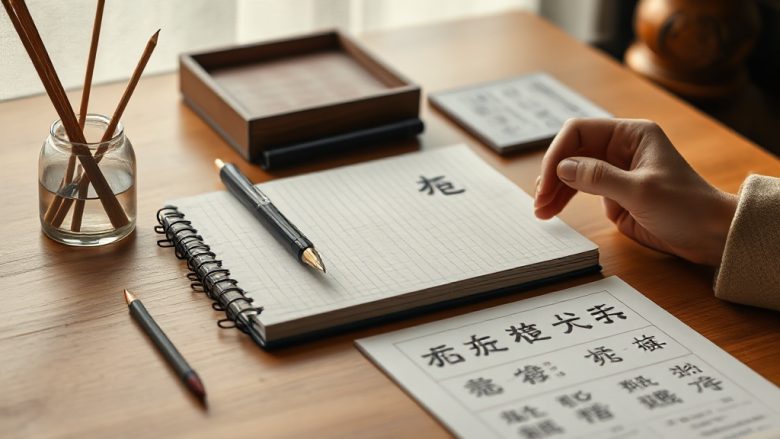
You do not need much, but you do need the right things. A lined notebook dedicated to script practice, a set of fine-tipped pens, and a reliable reference for stroke order are non-negotiable. Stroke order matters in Tibetan script because many letters differ only by a small mark or a slight curve. Get a reference that shows stroke direction clearly before you start copying.
Time and routine
Decide now how much time you can realistically give each day. Twenty focused minutes beats an hour of distracted scrolling. Pick a fixed slot, ideally the same time each day, and treat it as an appointment. Consistency matters more than duration when you are building muscle memory for a new script.
Mental preparation
Tibetan script is not hard, but it is unfamiliar. Expect your hand to feel clumsy and your eyes to confuse similar shapes for the first few weeks. That is normal. Plan for confusion, not perfection, and you will avoid the frustration that makes most beginners quit.
The preparation routine I follow before each study block
My own routine is short and repeatable. I do it before every session, whether I have five minutes or fifty. It keeps me oriented and stops me from wasting time deciding what to do.
- Clear the desk. Only the notebook, pen, and reference stay out. Clutter pulls attention away from the shapes you are trying to learn.
- Review yesterday’s characters. I write three to five letters from memory before opening any new material. This warms up the hand and reinforces retention.
- Set one goal for the session. It might be “learn the five letters with the same base shape” or “write ten syllables without looking.” One goal, not a list.
- Do a two-minute breathing pause. It sounds soft, but it settles the mind and makes the copying calmer and more accurate.
This routine takes less than ten minutes and prevents the drifting that turns study time into wasted time. When I skip it, I notice my practice becomes sloppy and my retention drops.
Setting up your practice space and schedule
Your environment and schedule are part of your preparation, not an afterthought. A dedicated corner, even a small one, signals to your brain that this is study time. Keep it consistent.
Space
Good light and a flat surface are enough. Avoid studying in bed or in front of a television. The goal is a place where your only association is practice.
Schedule
Build your practice into an existing habit. If you drink coffee every morning, practice right after. If you commute by train, use that time for review. Anchor the new habit to an old one and it will stick far longer than a willpower-based plan.
Tracking
Keep a simple log: date, characters practiced, and one note about what felt difficult. This takes seconds and gives you a clear record of progress, which is motivating on days when you feel stuck.
Common preparation mistakes and how to avoid them
I have seen the same mistakes derail beginners again and again. Avoiding them is easier than recovering from them.
- Trying to learn the whole alphabet in a week. Tibetan script has many letters and combinations. Pace yourself and review constantly.
- Ignoring stroke order. Bad habits are hard to break. Learn the correct direction from day one.
- Studying without a reference. Guessing at shapes creates errors that persist. Always check.
- Practicing only when motivated. Motivation fades. Routine carries you through.
Each of these is a preparation problem, not a talent problem. Fix the setup and the learning takes care of itself.
What to check before you move on to full words
Before you start stringing letters into words, run a quick self-check. Can you write the core consonants from memory without hesitation? Can you recognize them in different fonts and handwriting? Can you explain the difference between similar-looking pairs? If any answer is no, go back to review. Solid letter recognition is the foundation for everything else, and rushing past it will slow you down later.
I also check my posture and grip. A relaxed hand writes more accurately and tires less. And I check my log to confirm I have practiced consistently for at least two weeks. If I have, I know I am ready to move forward. If not, I extend the letter phase. That is the whole check, and it works.